Concrete steps, site by site.

  • Renewable energy and photovoltaics at group sites
  • Energy-efficient processes and green mobility
  • Resource-efficient products and sustainable packaging
  • Circular economy, waste recovery and optimized supply chains

Environment in practice


Renewable energies

Photovoltaics across our sites.

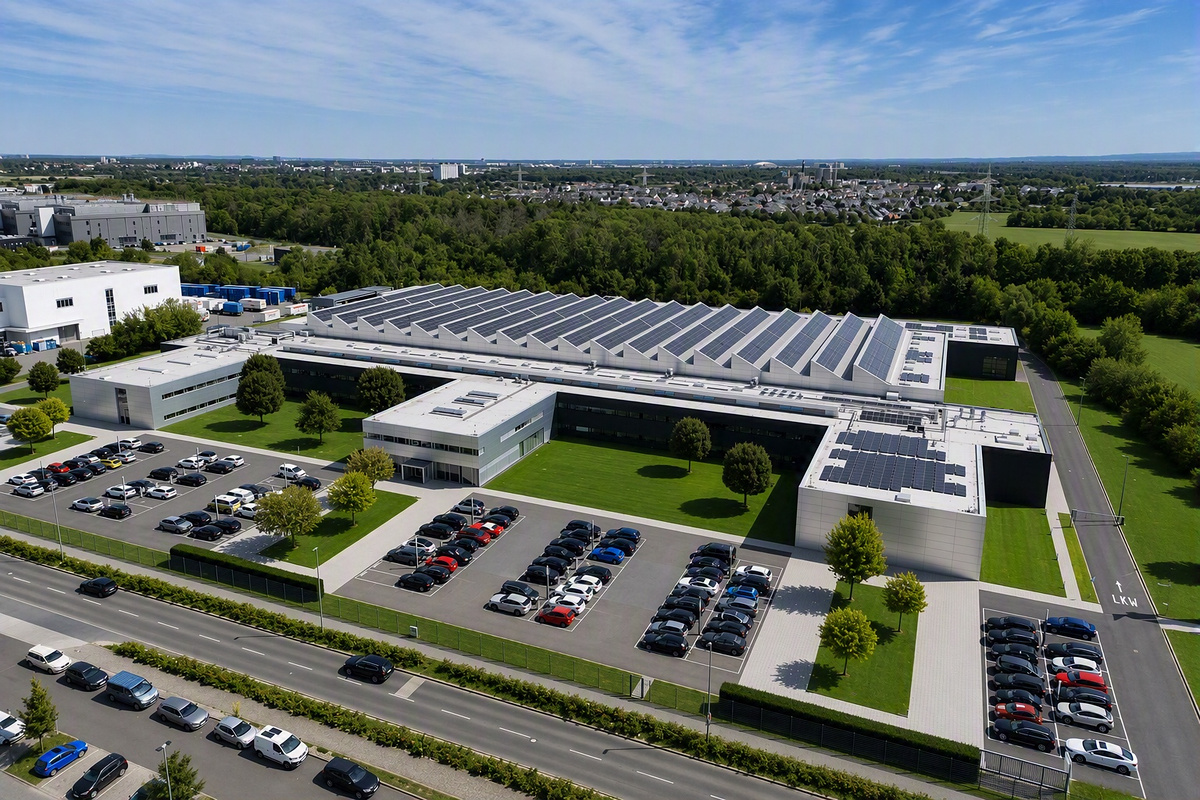
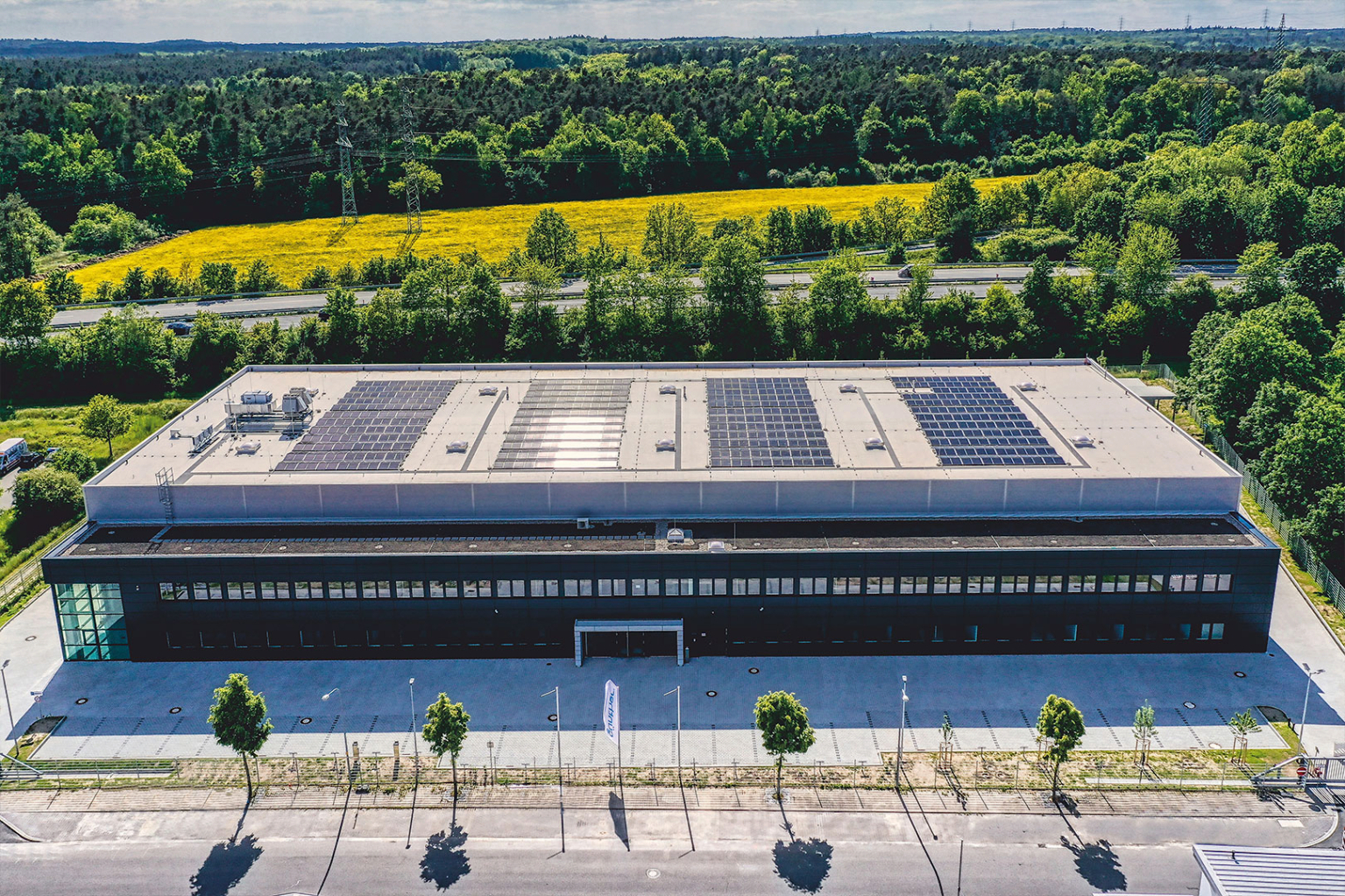
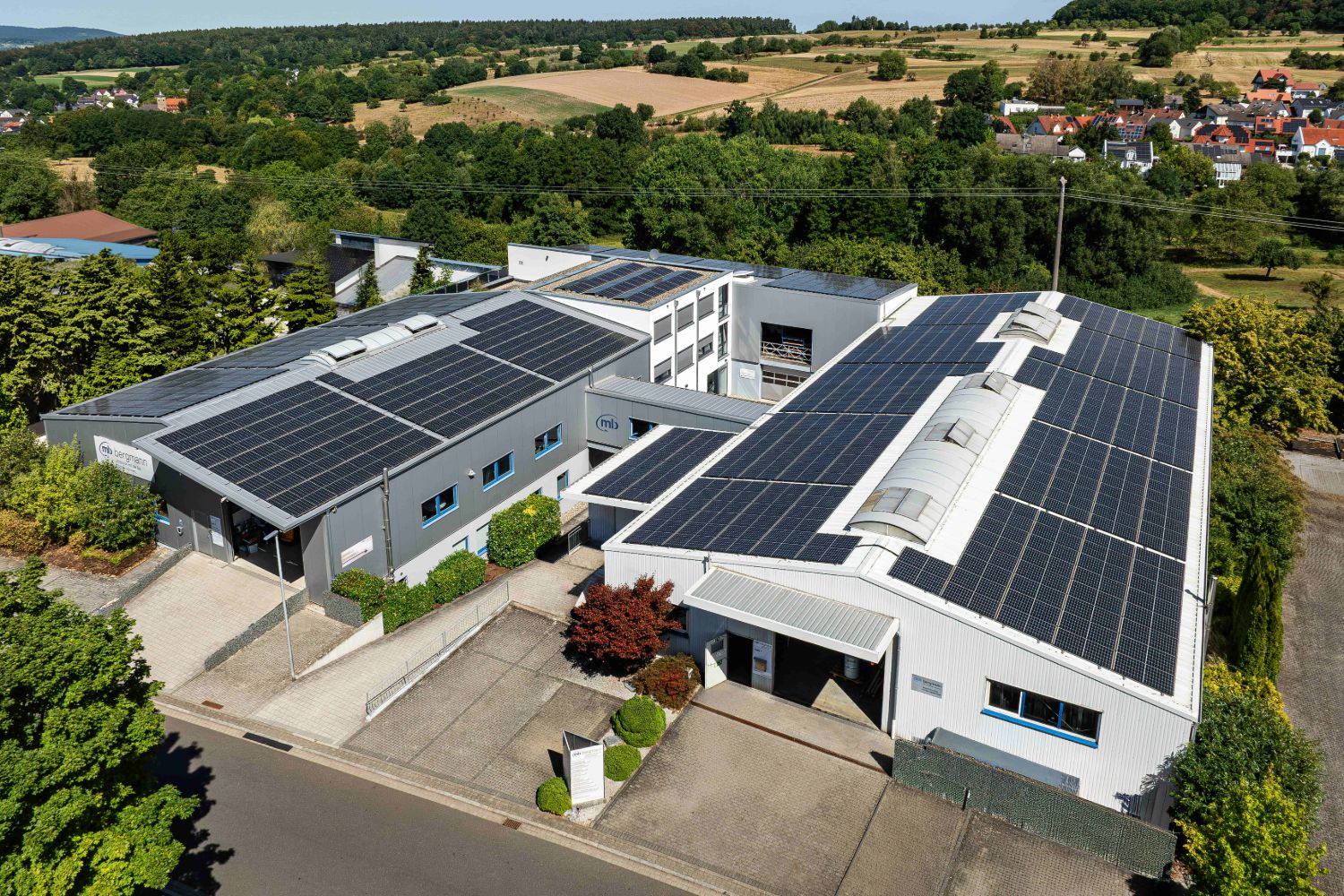
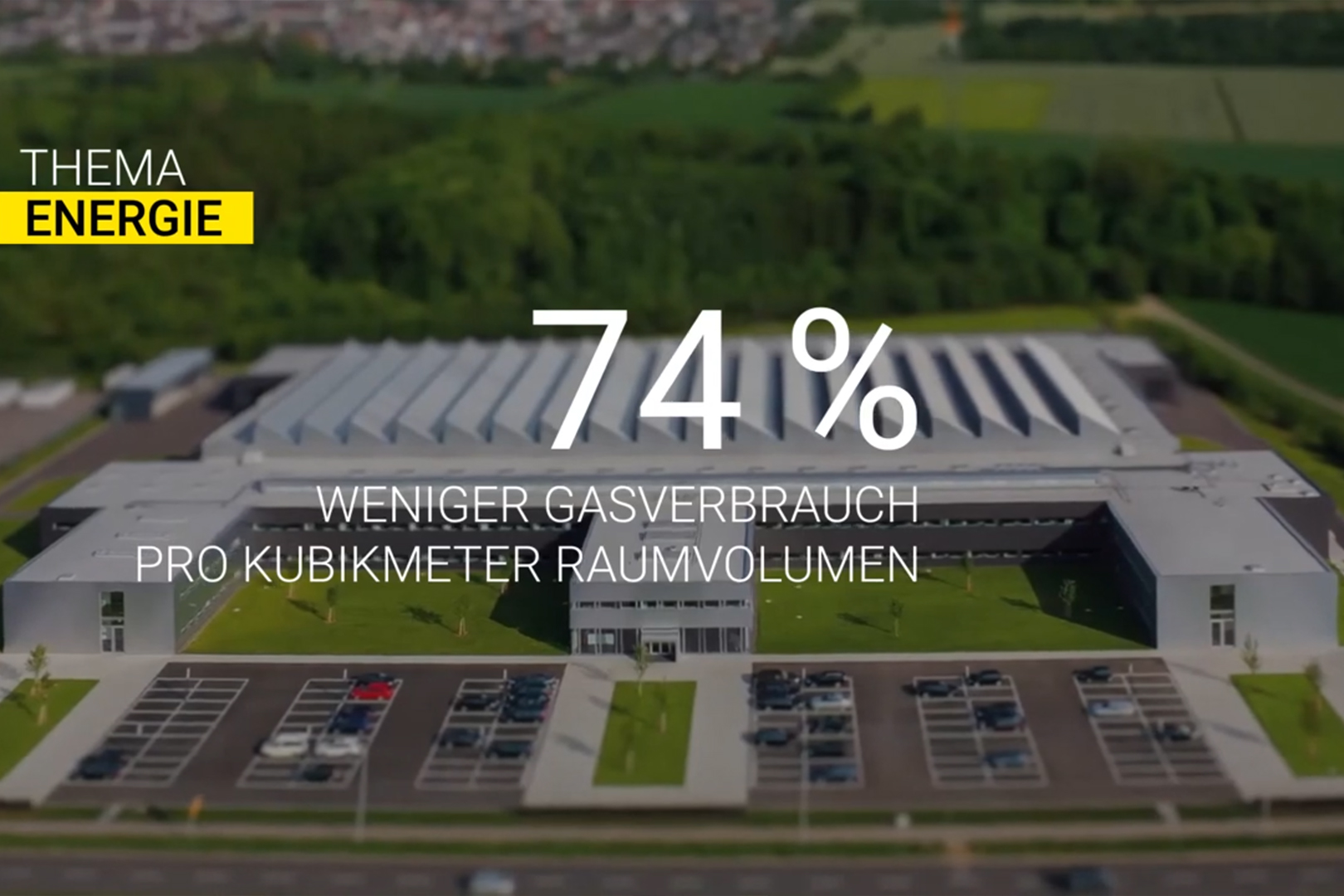
The use of renewable energy is a central part of the group's sustainability strategy. Günther Maschinenbau commissioned its photovoltaic system as early as 2020; in 2025, installations followed at Poly-clip System in Hattersheim and Gedern as well as at Promatec in Poland. At Promar, the system is planned for 2026.

The goal: to sustainably modernize our sites and cover their energy needs through greater self-supply with renewable energy, combined with efficient processes, green mobility and conscious waste avoidance.
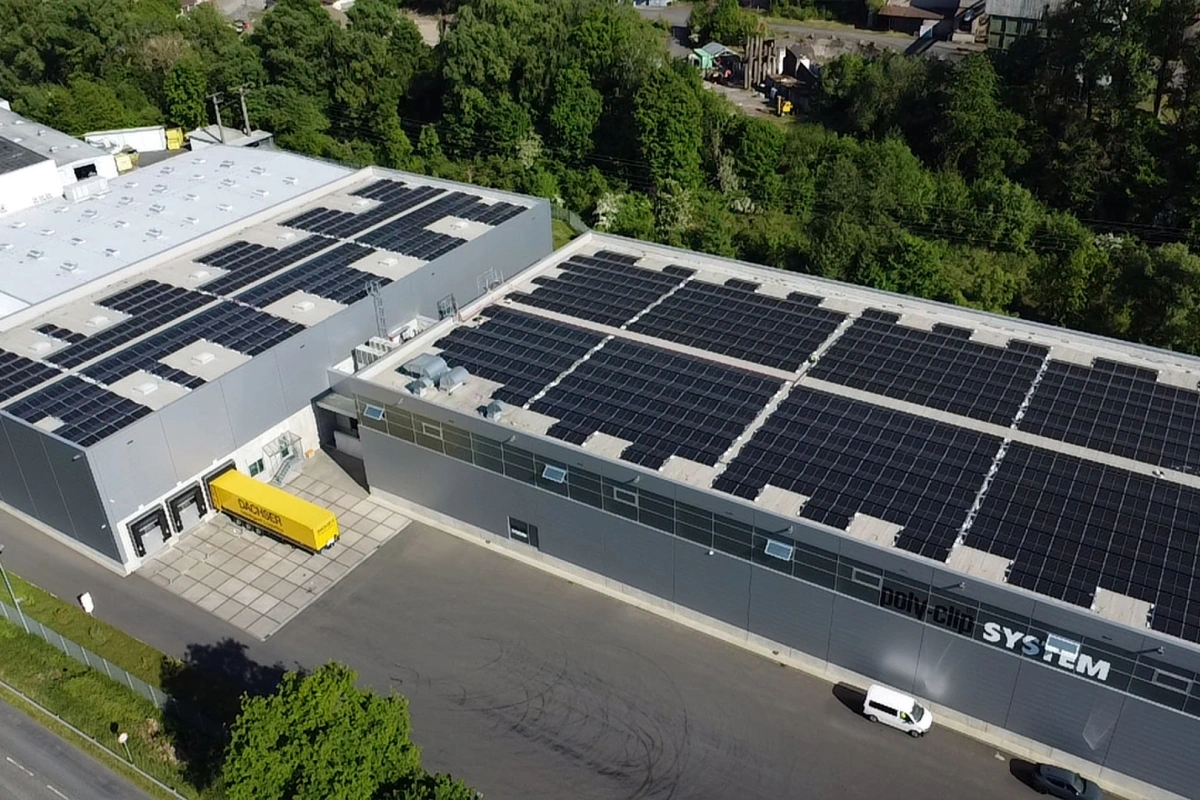
Aerial view of the Poly-clip System plant in Gedern with rooftop photovoltaics

Poly-clip System · Gedern



Environmentally conscious products

From recycled raw materials to plastic-free packaging.

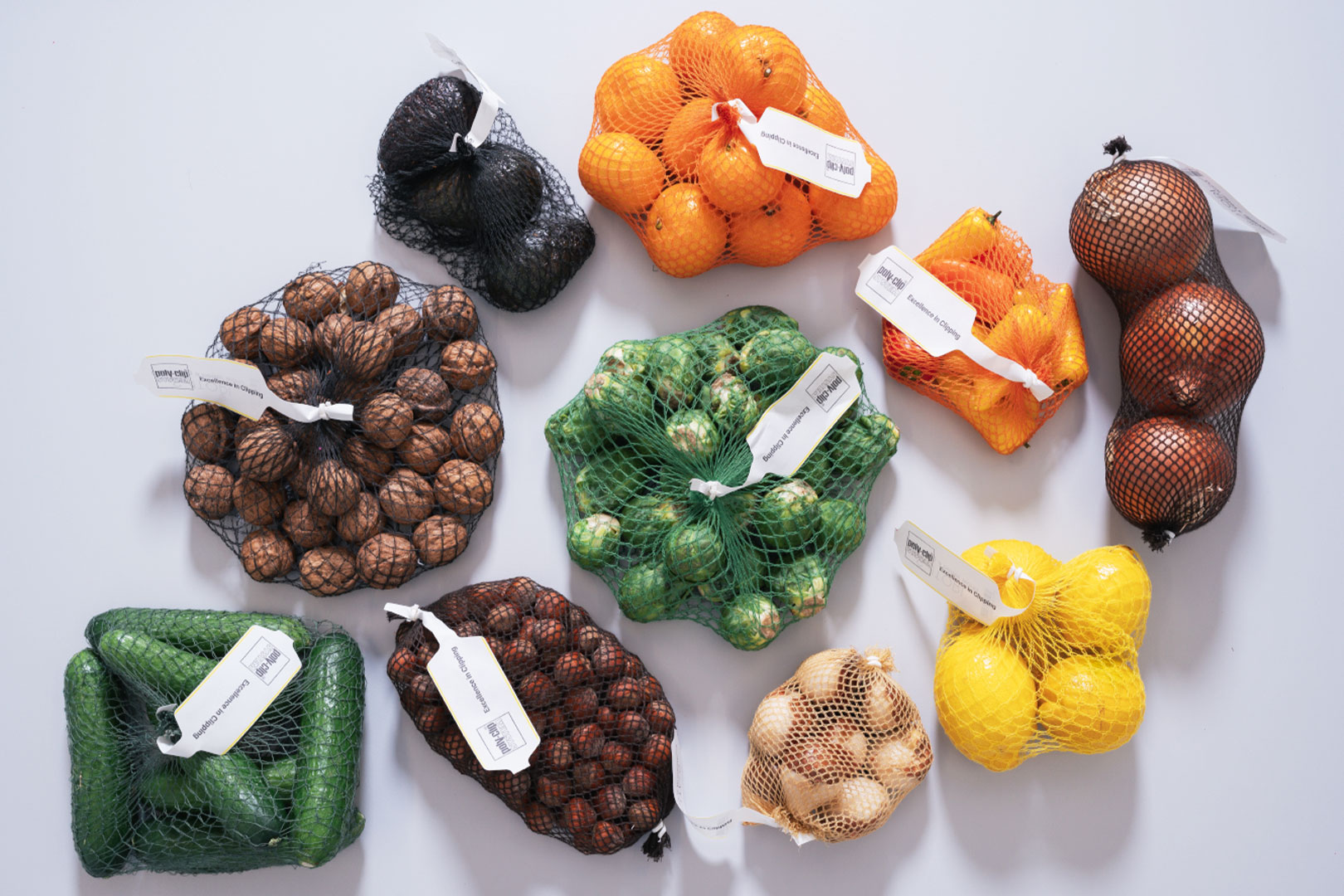
Clip-Pak®

Our packaging against the rest.

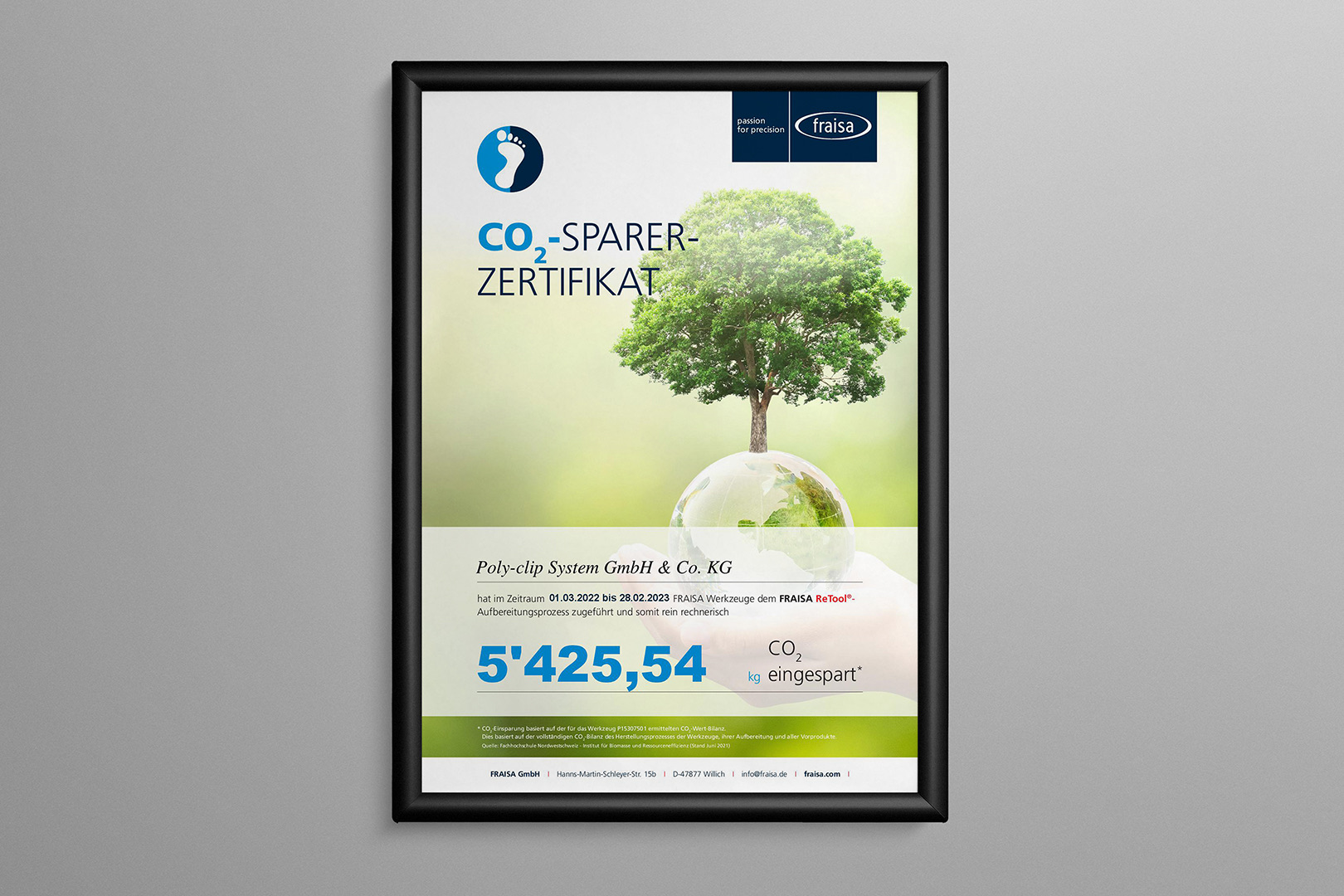
Clip closure is one of the most material-efficient packaging principles available. Independent comparisons show that Clip-Pak solutions emit 64% less CO₂ than conventional injection-molded cups, and as much as 81% less than thermoformed packaging.

Fewer emissions and less material at the same product safety and quality, a win for our customers and for the environment.

CO₂ footprint per package

Thermoformed packaging

reference

Injection-molded cup

Clip-Pak® by Poly-clip System

−81% CO₂

Relative CO₂ emissions per package, independent life-cycle assessment. Clip-Pak: −64% versus injection-molded cups, −81% versus thermoformed packaging.

7/8

Categories in which clip packaging ranked first for packaging efficiency in an independent study

− 25 %

CO₂ of compostable net-pak® packaging versus conventional plastic packaging

90 %

Recycled material in our machine packaging, and 100% recyclable


Green mobility

Making it easier to travel sustainably.

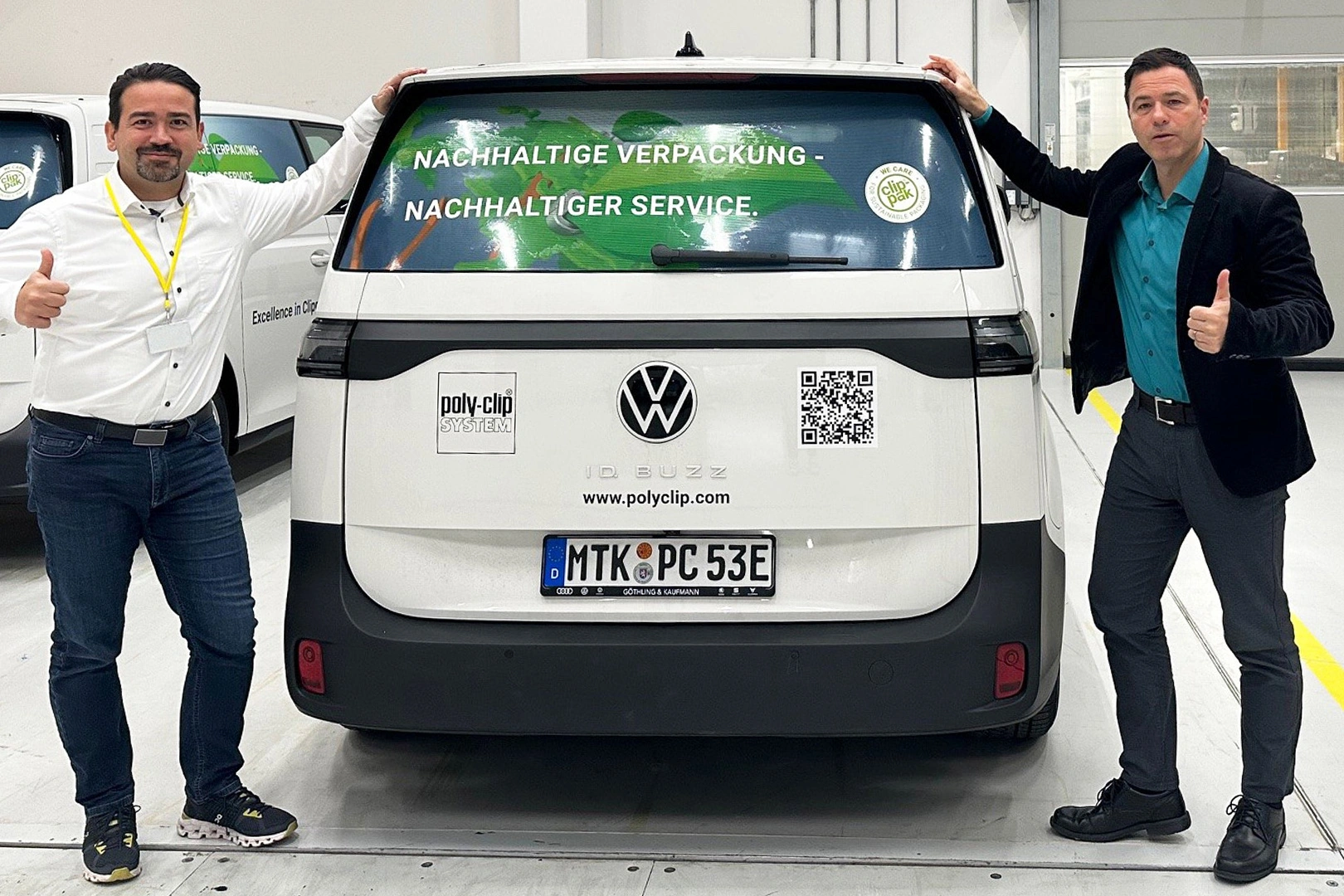
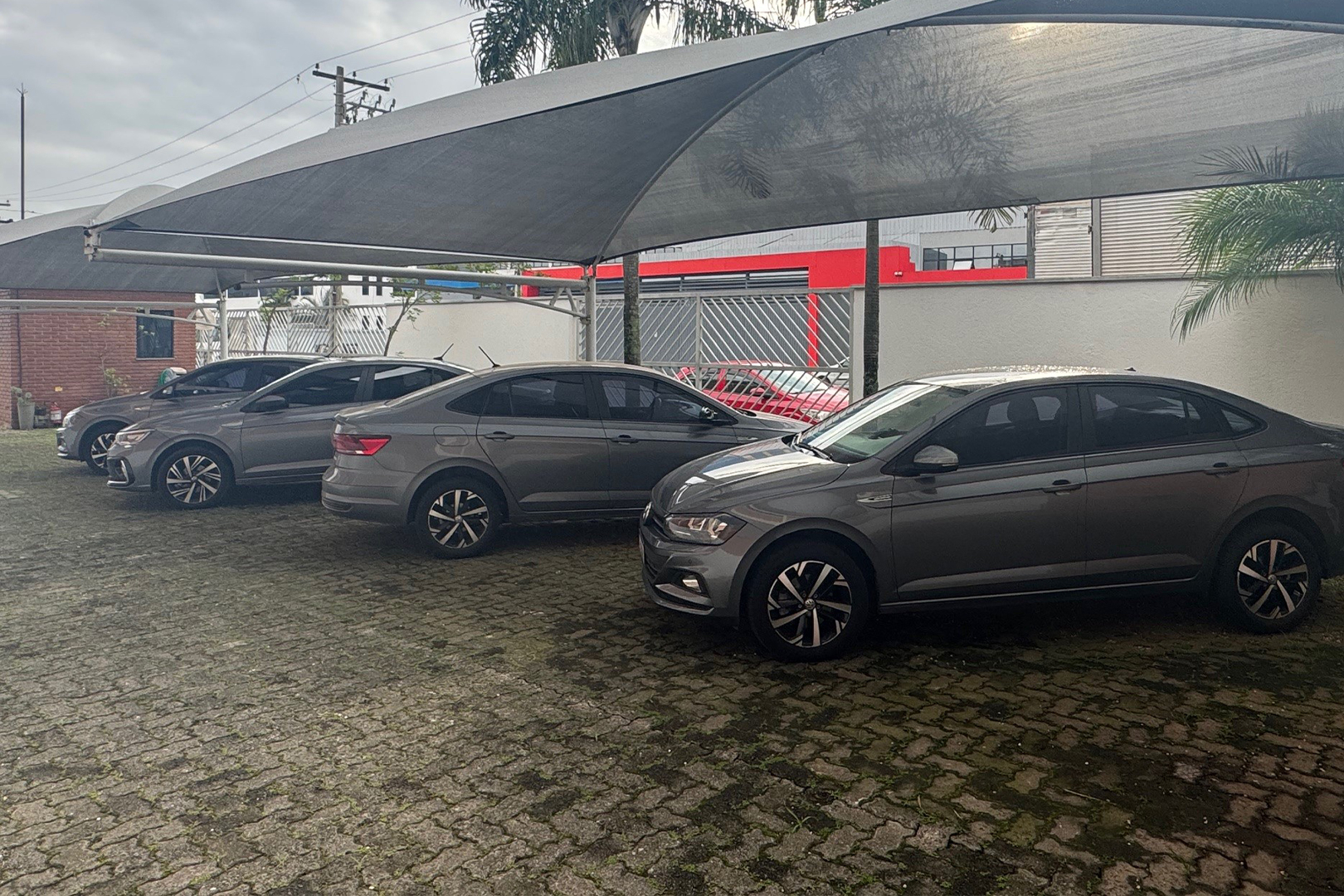
The electrification of our vehicle fleet is gathering speed: in the United Kingdom, Norway and Denmark the fleet is already 100% electrified, Sweden stands at an impressive 90%, and in the Netherlands, Belgium and at Process-Pack International between 75% and 80% of vehicles are electrified, a mix of hybrid and fully electric depending on local conditions.

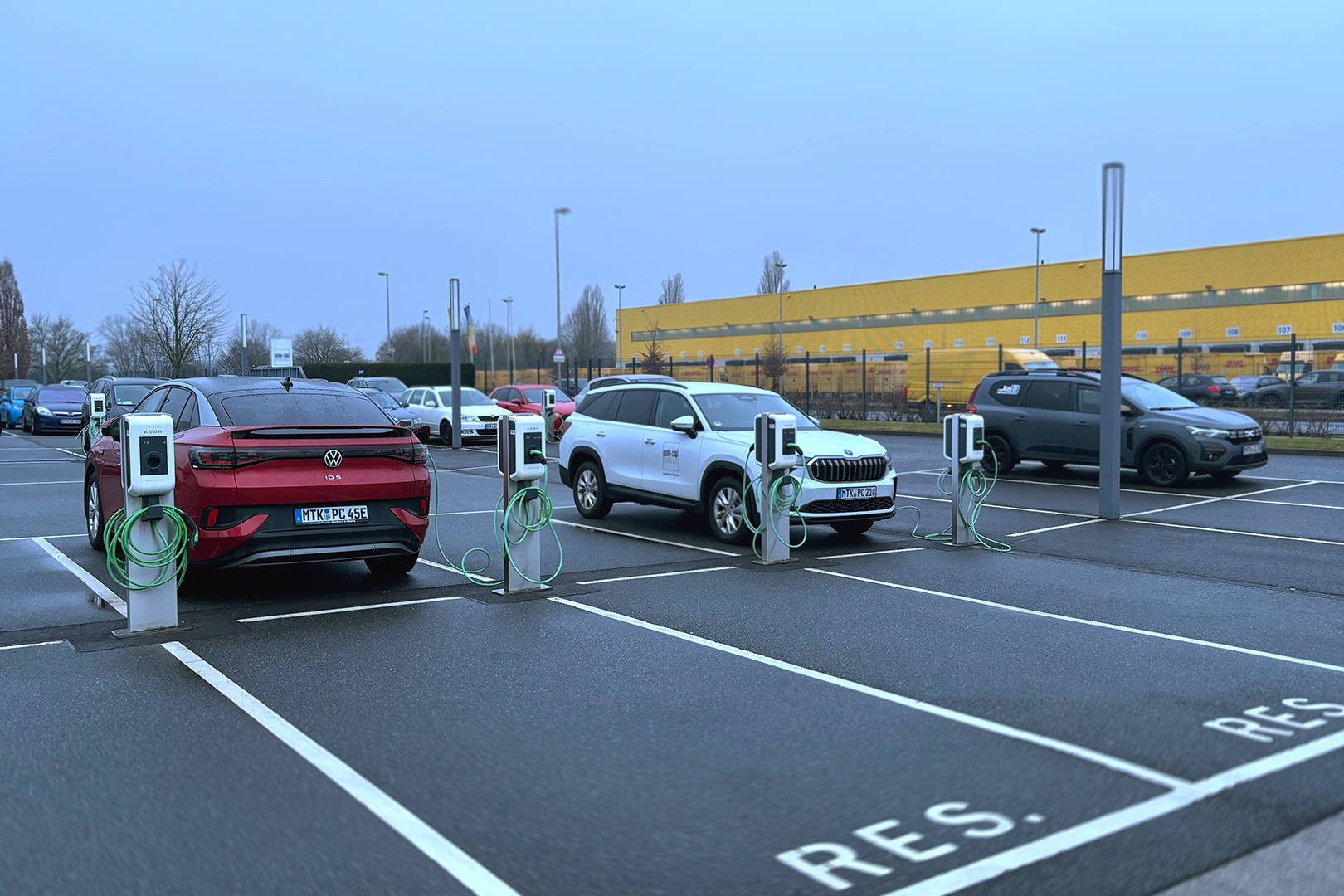
Employees can charge company and private electric cars at the Eppertshausen, Gedern and Hattersheim sites during working hours. A voluntary subsidy supports public transport, and job-bike leasing is popular at the German sites and in Austria, used by almost 20% of the German sales-and-service team and 35% of colleagues in Austria. In Brazil, where almost 90% of vehicles are flex-fuel, our cars run on sugarcane-based ethanol, cutting greenhouse gases while strengthening regional agriculture.

Electrified vehicle fleet of the QUOTA group

Field report

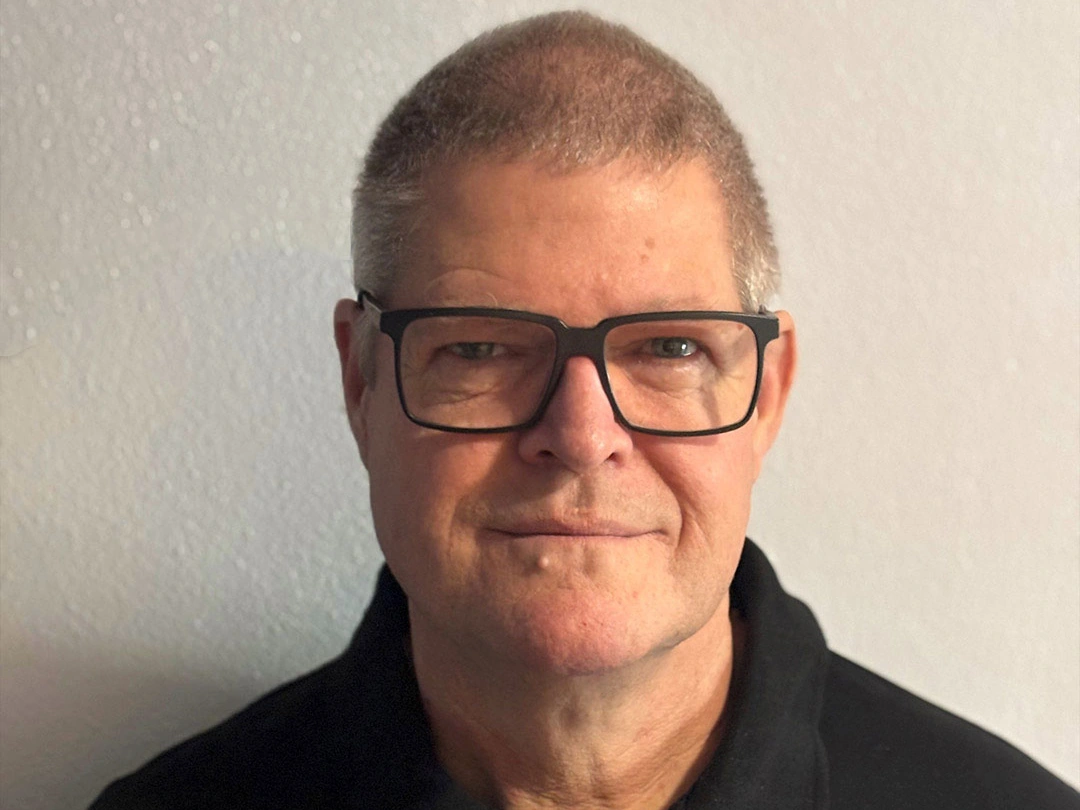
My move to e-mobility in field service.

“As a trained agricultural-machinery mechanic I was devoted to combustion engines for years. But electric driving won me over: fewer mechanical parts and a calm, comfortable ride, it simply feels like the future. There was no pressure, just the choice to switch voluntarily. Charging breaks become useful: ordering spare parts or a short lunch. The advantages clearly outweigh, less maintenance, cheap charging at home and the good feeling of driving CO₂-free.”

Dietmar Schaupp, Service Technician, Poly-clip System Vertriebs- und Service GmbH

Dietmar Schaupp, service technician, with his electric vehicle


No waste

Using resources wisely, in the canteen, the office and production.


Responsibility across generations

We hand our companies to the next generation better than we received them.

That is what responsibility means in a family business: for the environment, for people and for the businesses themselves.